What Does It Take to Be an Audiologist?
May 12, 2022

Audiology is a challenging career option consistently rated as a top job choice each year. Since May is Better Speech and Hearing Month, we wanted to highlight the wonderful profession of audiology and what it takes to be successful in this career. 

How Much Education? 


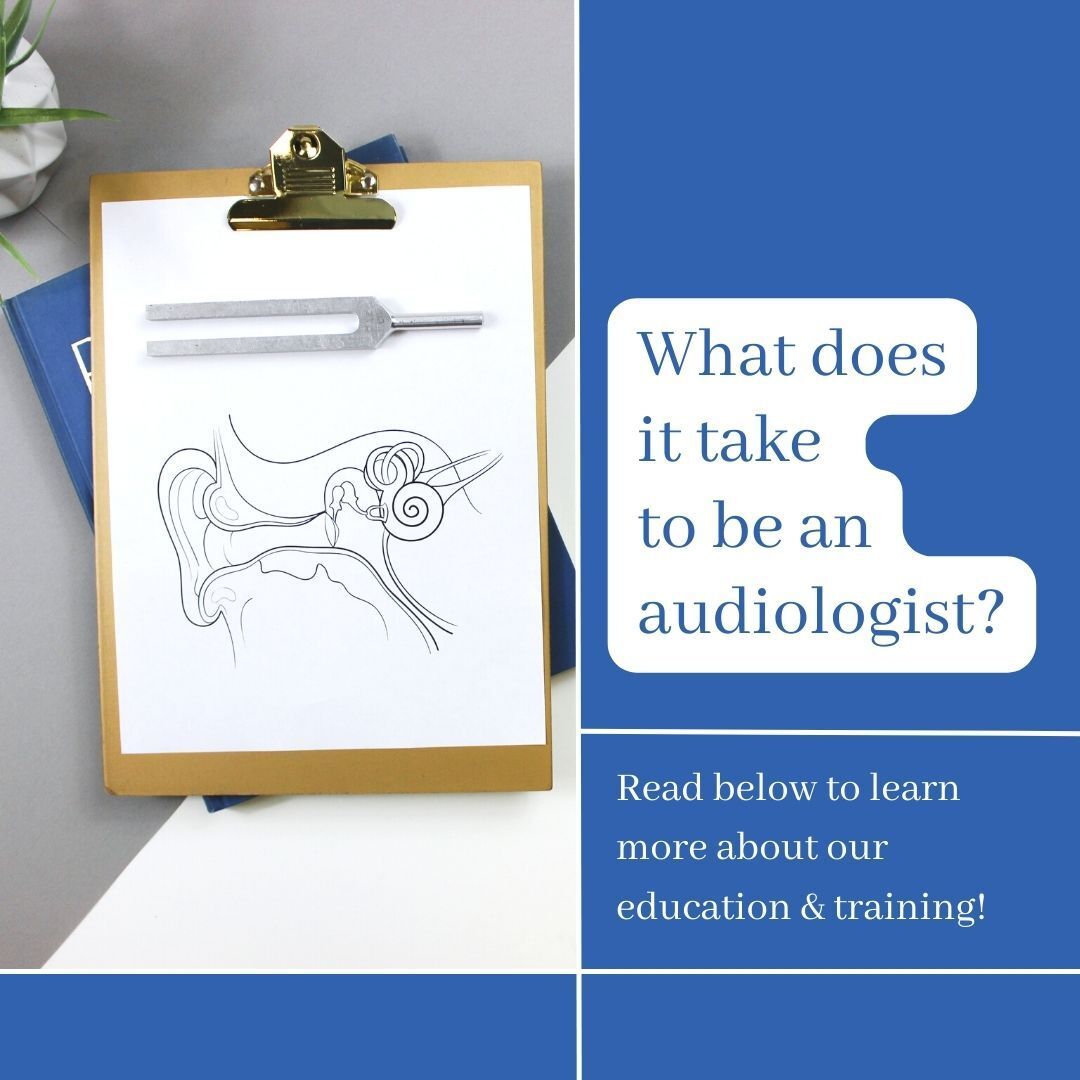
Many people don’t understand the amount of education needed to excel in this field. To become  an audiologist in the United States, you must obtain both a bachelor’s degree and a Doctorate of Audiology (aka an Au.D.). While completing your Au.D., you undergo three years of classes followed by a one-year fellowship or externship. After graduating, all audiologists must continue their education to maintain state licensure. 


Also, some audiologists choose to complete special training in areas such as tinnitus, cochlear implants, pediatrics, hearing aids, and more. Sound like a lot? It is, but it’s worth it! 


Why Become an Audiologist? 

After naming all the work that goes into this career, some may wonder if the benefits equal the  output. Some of us were led to this career because we witnessed a friend or family member struggling with hearing loss. Others began their college careers in speech pathology majors and were later introduced to, and absorbed by, classes on hearing loss and audiology. 


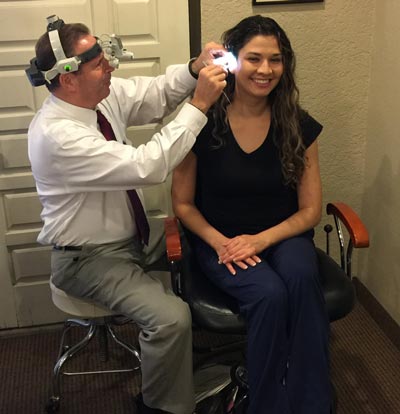
Another benefit of being an audiologist is that they have a lot of flexibility with their career. Audiologists can work in many different settings–from private practices, to hospitals, to  university clinics, to schools. Audiologists can also work with patients of all ages–newborns to the elderly–and they also have several options for specialties, including: 


→hearing aids 

→cochlear implants 

→tinnitus 

→pediatrics 

→dizziness 

→auditory processing disorder 

→and more! 


A Brief History of Audiology 

The field of audiology is relatively young, with the first audiology program created only in 1946.  As World War II progressed, service members who were deployed often returned home with  reduced hearing and speech recognition. As a result, the field of clinical audiology was 

formalized to assist the many young and otherwise healthy service members who required  rehabilitation (audiology.org). 


The Numbers 

According to the National Institute on Deafness and Other Communication Disorders, about  13% or 30 million people aged 12 and older suffer from hearing loss. As the prevalence of  hearing loss rises, the shortage of audiologists in the United States increases. 


Conclusion 

Audiology as a career is not for everyone, but the select few who seek out an expertise in this  area are highly trained, motivated, and determined to provide you with exceptional care. If you  are interested in learning more about the topics audiologists are interested in, be sure to read  some of our other articles. 


As always, we are happy to answer any questions that you may have, and if you know someone  who is currently struggling with their hearing, you can recommend them in confidence, knowing  that our team has the expertise to provide careful and caring service. 


Sources: 

Lin FR, Niparko JK, Ferrucci L. Hearing loss prevalence in the United States. [Letter] Arch  Intern Med. 2011 Nov 14; 171(20): 1851-1852.
March 29, 2026
If you’ve ever thought about hearing aids and wondered, “How do I know they’re actually set up correctly for my ears?” you’re asking an excellent question.
March 27, 2026
New AI-Powered Hearing Aid Combines Premium Sound Quality and All-Day Rechargeability in Nearly Invisible Design
By alyssa brekken February 2, 2026
Anxiety can cause many ailments, including tinnitus. Meanwhile, tinnitus can worsen anxiety. The two together can fuel a vicious cycle, but there are ways to tame down each and help alleviate the tinnitus and anxiety relationship. The Vicious Cycle: How Tinnitus Fuels Anxiety Those who have or have had tinnitus will likely agree that the constant noise is hard to get relief from. For many, it can worsen anxiety, and for some, it can directly cause it. Unfortunately, tinnitus and mental health issues often feed on each other. When general anxiety elevates to a fight-or-flight response, it creates an elevation in heart rate and shortness of breath, which heightens tinnitus. Alone or together, tinnitus and anxiety often make it hard to relax, to fall asleep, and to stay asleep. For some, the combination of tinnitus and anxiety also leads to social avoidance and isolation. That worsens the anxiety and contributes to depression. Concern may grow that the tinnitus will never go away and that it may be a sign of something more serious. This can lead to insecurity about the future and a feeling of hopelessness. The Amplifier: How Anxiety Worsens Tinnitus Stress hormones, including adrenaline, cortisol, and epinephrine, affect the nervous system and can affect the auditory system itself, leading to a reduction of blood circulation in the ears. The overstimulation of the nervous system can also cause cell damage through a lack of oxygen, worsening tinnitus, and contributing to a loss of hearing. For those who experience panic attacks, both a temporary ringing and long-term tinnitus, along with a pulsating in the ear canals, may begin as a panic attack heightens. The sound and pulsations can contribute to anxiety and cause a fear of potential threats. As such, the tinnitus amplifies and becomes louder, more noticeable, and more irritating.
November 26, 2025
If you’re experiencing hearing loss, you have probably wondered whether you really need a prescription hearing aid or if you can just grab one from a big box store or the internet.
A man sitting on a sofa holds his temples, grimacing from a headache, with a motion blur effect.
By Allen Rohe November 10, 2025
Anxiety and tinnitus often go hand in hand. Explore the link between stress and ear ringing and learn how holistic treatment can bring relief.
A young man is posing against a plain white background, showing visible signs of toothache or jaw pa
By Allen Rohe November 4, 2025
Try these simple TMJ and neck exercises to relieve tinnitus symptoms naturally at home. Learn how physical therapy can support long-term tinnitus management.
Older man receiving an ear examination from an audiologist or doctor using an otoscope, highlighting
By alyssa brekken October 23, 2025
Wondering why tinnitus treatment isn't covered by insurance? Learn what most policies exclude, why it happens, and how you can still get effective care in Arizona.
Learn the key differences between misophonia, phonophobia, and hyperacusis. Discover how these audi
By SEO Salem October 16, 2025
Learn the key differences between misophonia, phonophobia, and hyperacusis. Discover how these auditory conditions relate to tinnitus and what treatments are available.
June 13, 2025
We’re still surprised how many people have outdated ideas about what hearing aids are like. It’s common for patients to come in expecting large, uncomfortable devices that distort sounds or make everything seem tinny or artificial. In fact, one of the first things many of our patients say is, “I can’t believe how natural everything sounds!” Or they might remark on how comfortable they are to wear. We love pleasantly surprising people!
What Is Misophonia?
By SEO Salem May 12, 2025
Curious about misophonia? Explore the causes, common triggers, symptoms, and treatment options for sound-triggered emotional responses from our Arizona audiologists.